Ali Cherri
Soul Witness
For the first time, several of Ali Cherri’s (b. 1976, Beirut) major bodies of work are gathered. Spanning audiovisual works, sculpture, watercolour drawings, and installation, the exhibition Soul Witness explores how institutions of power — the nation-state, the military and even the museum — shape the ways history is constructed and remembered.

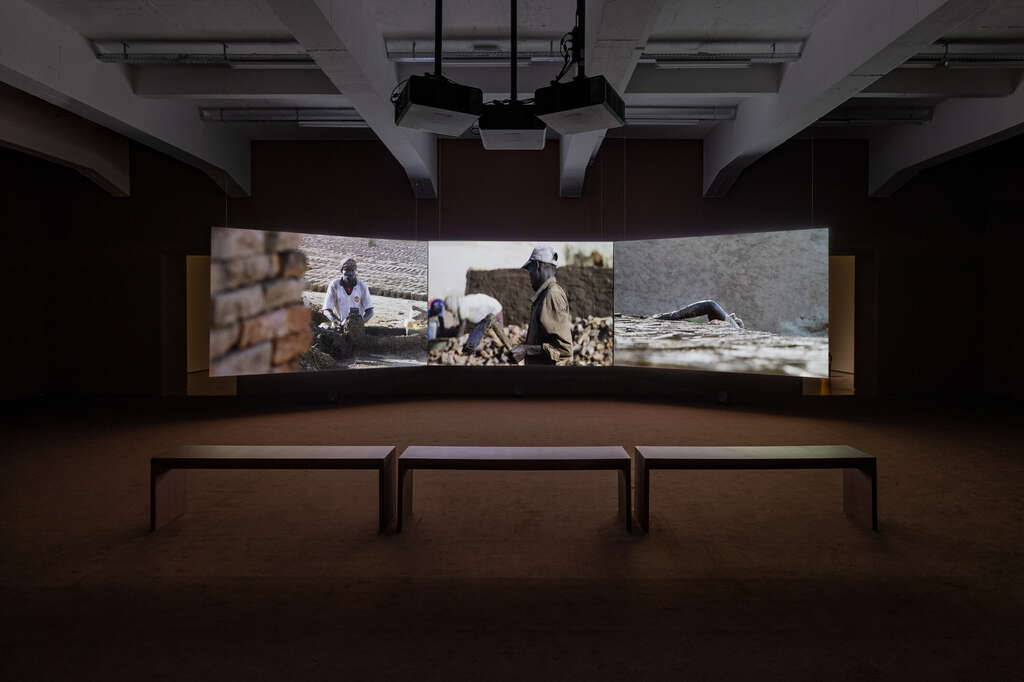
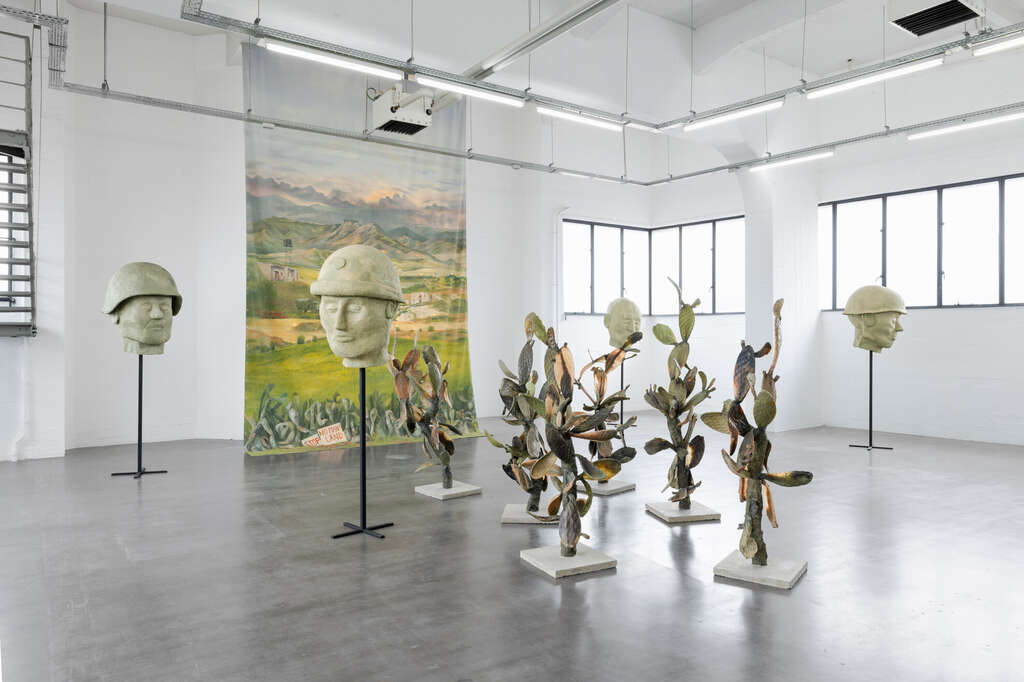
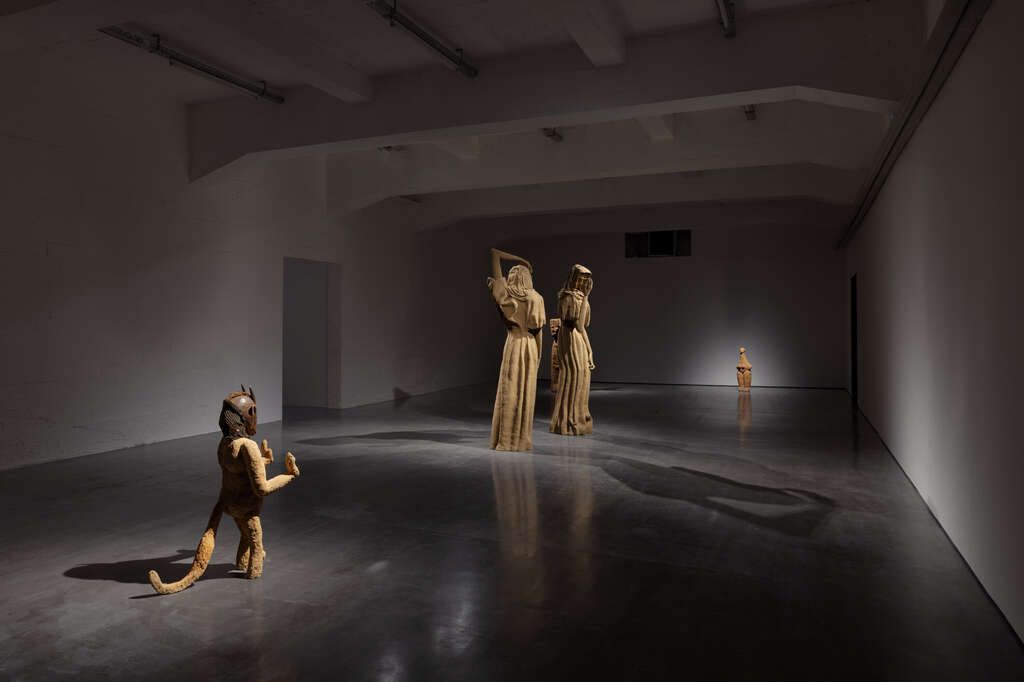
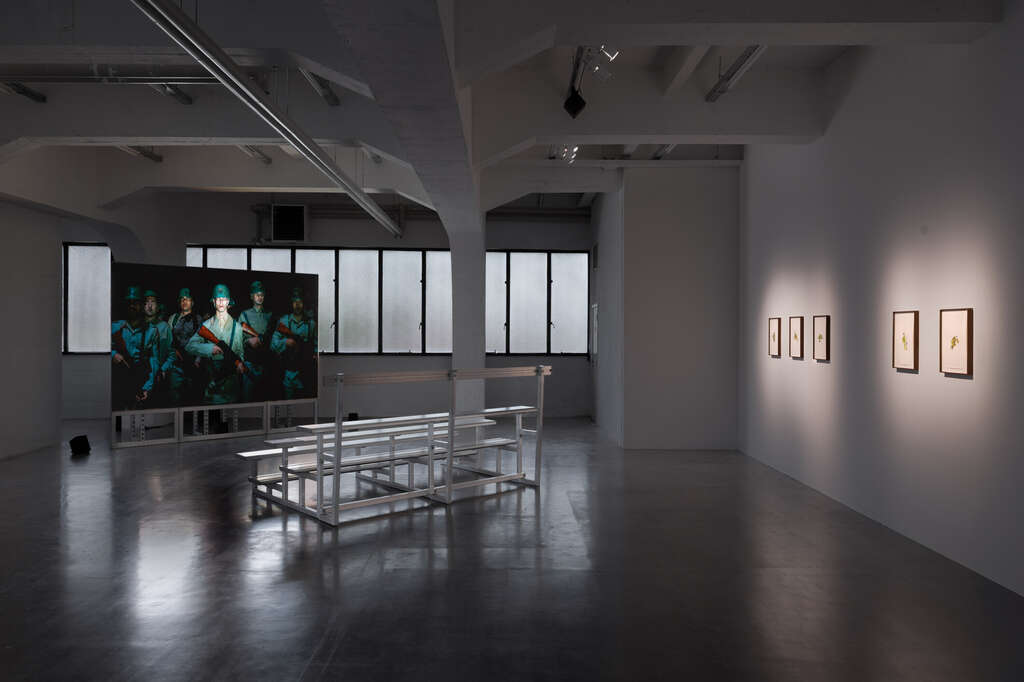
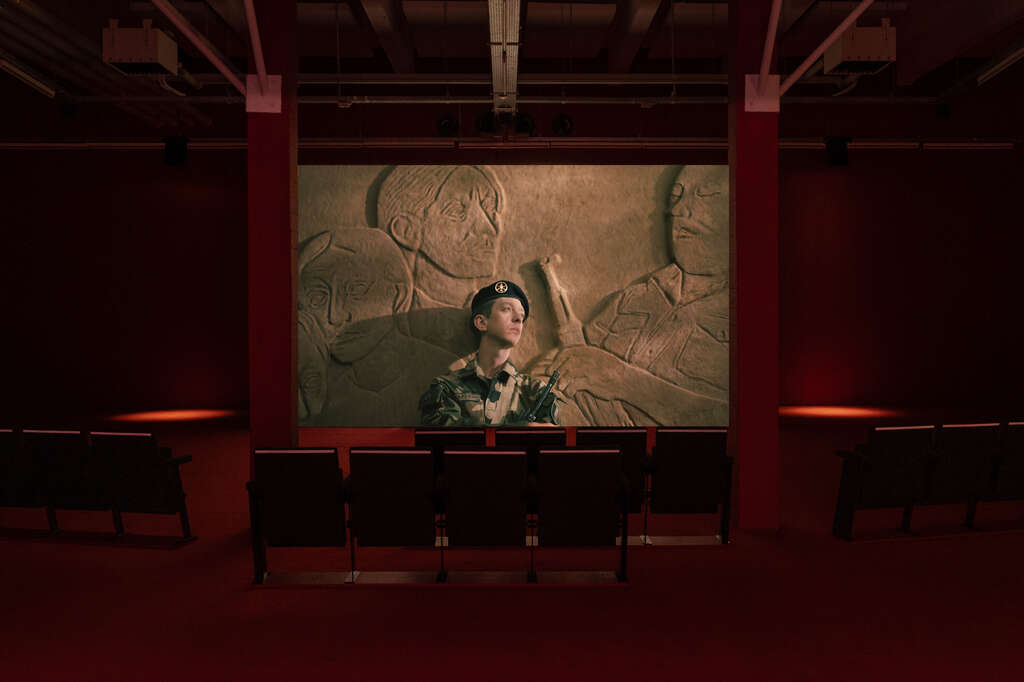
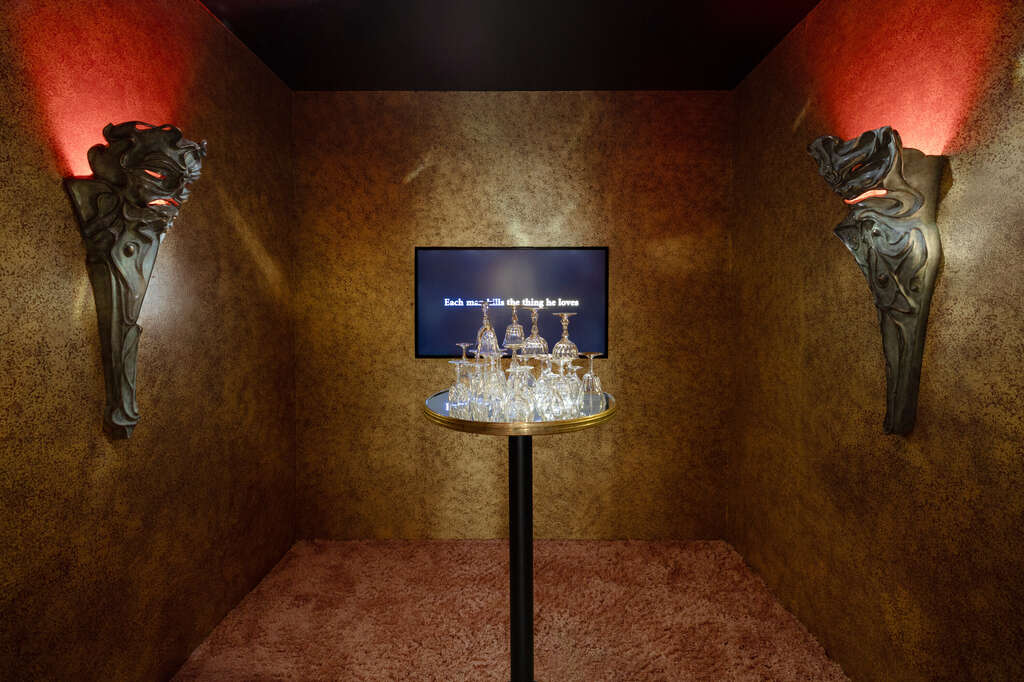
Soul Witness traces an arc from the individual body under authority to the monumental structures — both material and ideological — that enforce it. Isolated figures, guardians, and mourners sit alongside dismembered statues and fragile hybrid creatures. Each asks which stories are preserved, which are erased, and who has the power to decide.
Cherri’s work often begins with the body in a state of suspension: watching, waiting, never quite at ease, as the site where larger political forces are inscribed. One such body is that of the soldier, who appears in two of the artist’s most recent installations. These soldiers are not presented as monumental heroes but as fragile, often isolated, individuals caught in systems of surveillance and discipline. In his new film The Sentinel (2026), a French recruit drifts between the ordered routines of the barracks and nightly encounters that destabilise his place within the military order.
Other works in the exhibition combine mud with bronze, marble, or found stone fragments. These material juxtapositions reverse traditional hierarchies: the “fragile” mud undermines the “permanent” bronze, suggesting a shift in power away from imperial symbols towards more vulnerable, human registers. Cherri often incorporates archaeological fragments acquired from markets and auctions into hybrid sculptures, returning displaced objects to a form of public display. In doing so, he draws attention to how museums frame artefacts, stripping or reshaping their meanings in line with national and colonial narratives.
Curator: Helena Kritis
Curatorial intern: Magdalena de la Barrera
With the generous support of: FABA Fundación, Almine y Bernard Ruiz-Picasso, Mercedes Vilardell, Peter & Nathalie Hrechdakian-Oghlian
In collaboration with: Almine Rech, Galerie Imane Farès, Cherri Studio
Related Events
Lecture: “What Can be Saved?” – Lina Mounzer on Ali Cherri (EN)
Look Who’s Talking: Daniel Blanga Gubbay (EN)
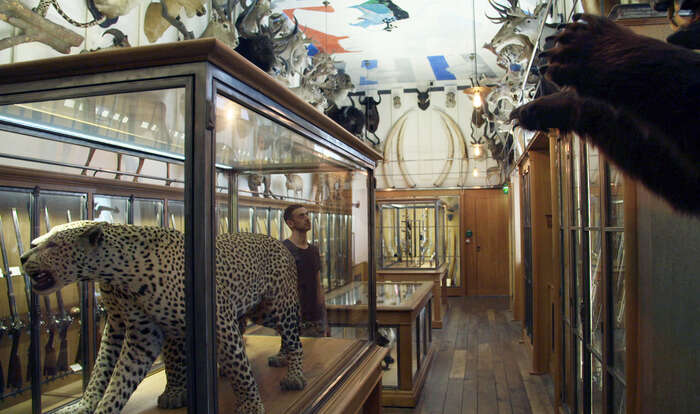
Screenings: Ali Cherri at BAFF (FR)
Look Who’s Talking: Laura Herman (NL)
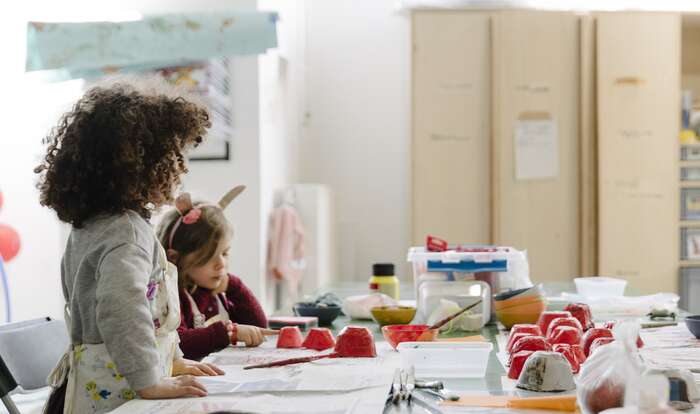
Autumn camp : Stop-motion workshop (FR/NL)
Look Who's Talking: Helena Kritis (NL)
Visit & Practice - Life drawing (FR/NL)
Look Who's Talking: Louma Salamé (FR)
HYDROGRAPHIES. Ancestors, Waters, Infrastructures (EN)
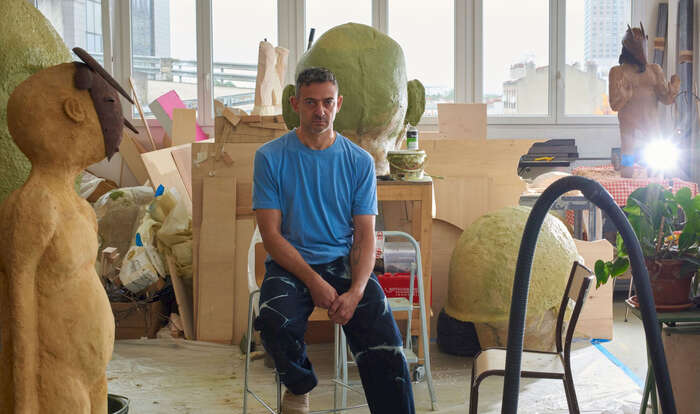
Conversation: Ali Cherri and Helena Kritis at RendezVous (EN)
