Lutz Bacher
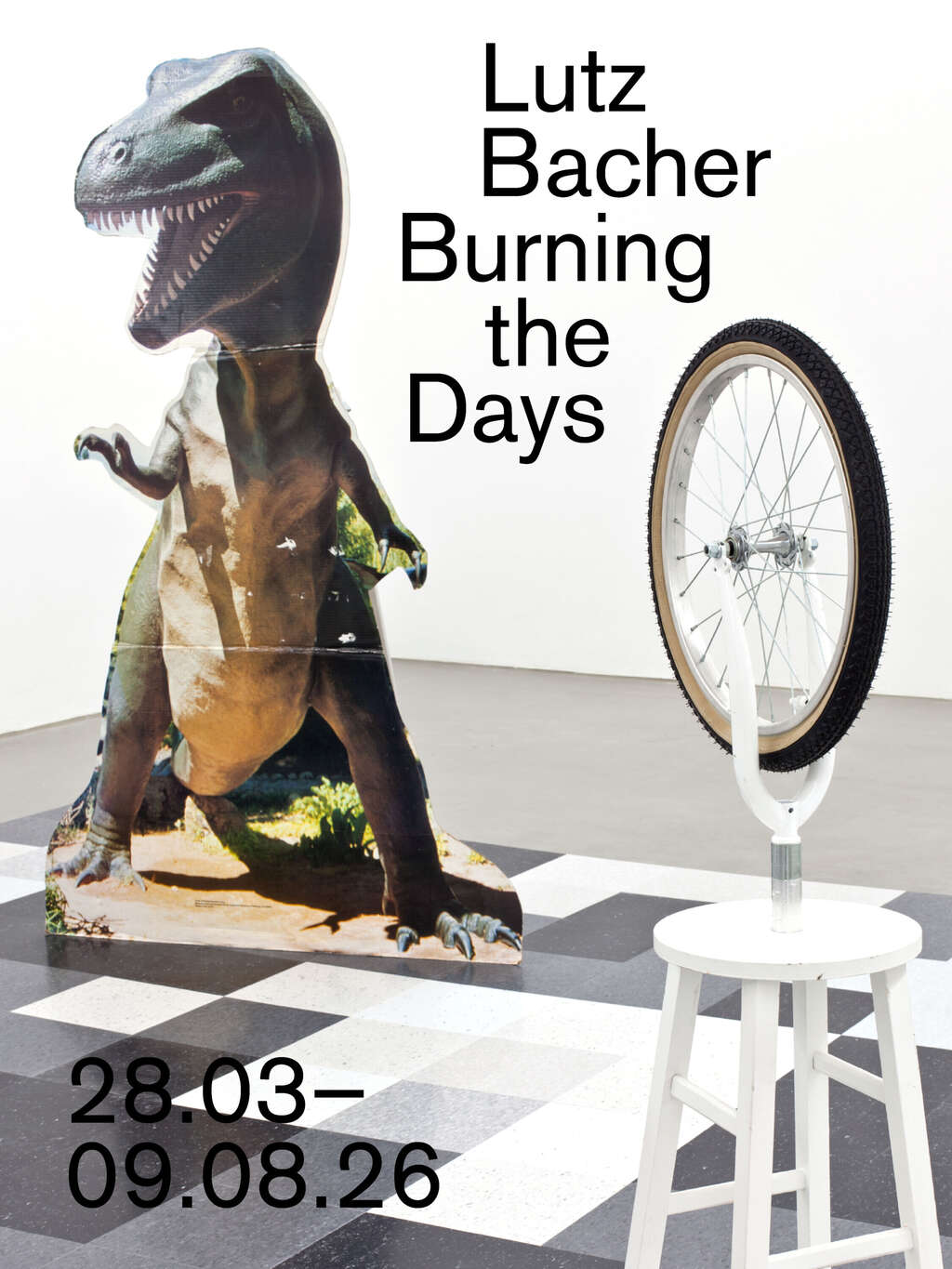
Burning the Days
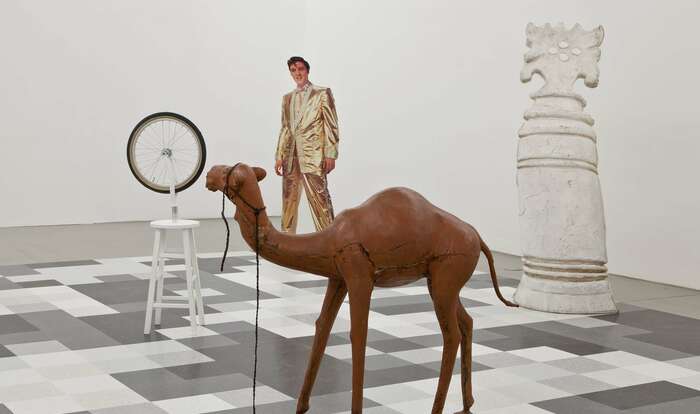
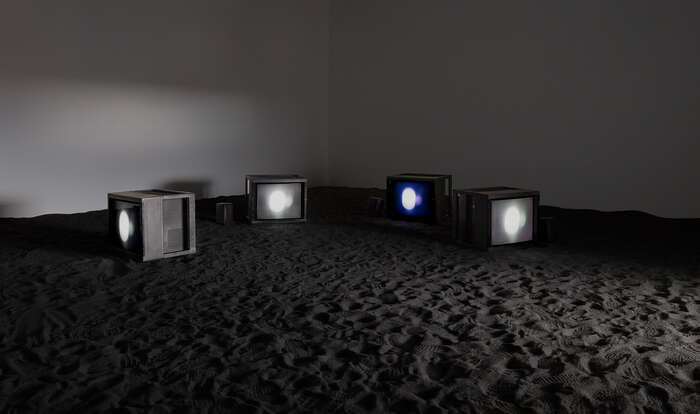
The exhibition Burning the Days offers an expansive view of conceptual artist Lutz Bacher’s provocative, genre-defying oeuvre that exists across a wide range of found materials. Moving between affect and sentiment, humor, and pop-cultural touchstones, the exhibition turns to unflinching examinations of sexuality, violence, political paranoia, and cosmic metaphysics.


Lutz Bacher (1943–2019) lived in Berkeley, California and New York City. She began making art in the 1970s under this assumed name. Her earliest artworks were made with a camera. She took her own pictures, as well as transformed found photographs, drawing resonance out of them by distorting them, editing and combining them, or uncovering half-hidden details about them.
Her method often depended on chance, discovering what the world brought to her by accident, an openness that later grew to include sculpture, video, and eventually museum sized installations. Bacher fostered the idea that an artist can reckon with art and life through what the world has already made, permitting it to show her many sudden intrusions of beauty, comedy, or violence. This approach to art embraced the art-historical tradition of the ‘readymade’, while also muddying its logic, using a wide range of found materials—texts, archival fragments, music, and objects—in wild relation.
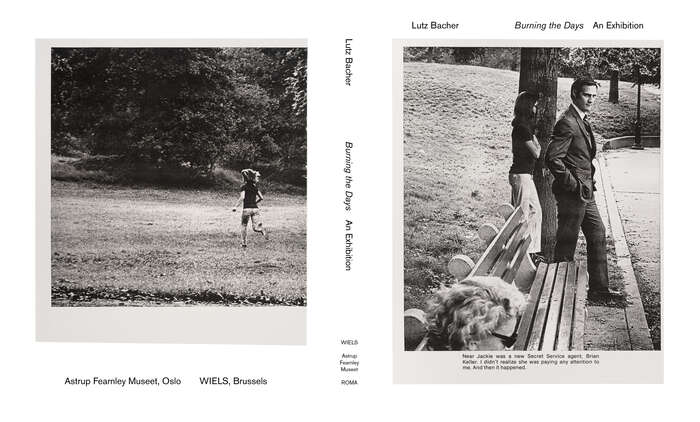
A comprehensive monograph designed by Julie Peeters and published with Roma Publications will be released in June 2026. It features newly commissioned essays by Kate Nesin, Emily LaBarge, and Juliane Rebentisch, alongside a curatorial foreword.
Curator: Helena Kritis, with co-curator Solveig Øvstebø.
Lutz Bacher: Burning the Days is organised in collaboration with Astrup Fearnley Museet, Oslo, where an iteration of the exhibition was on view 26 September 2025 — 4 January 2026.
This project was made possible thanks to the generous support of The Terra Foundation for American Art.
The Terra Foundation for American Art, established in 1978 and having offices in Chicago and Paris, supports organisations and individuals locally and globally with the aim of fostering intercultural dialogues and encouraging transformative practices that expand narratives of American art, through the foundation’s grant program, collection, and initiatives.
Related Events

Look Who's Talking: Finissage Tour with Helena Kritis (EN)

Visit & Practice: Lutz Bacher (FR/NL/EN)

Look Who’s Talking: Madeleine Planeix-Crocker (FR)

Book Launch: Burning the Days: An Exhibition (EN)

Look Who’s Talking: Anthony Huberman (EN)

Lecture: Exploring Lutz Bacher with Alex Kitnick (EN)
Lecture: Sara Deraedt on Lutz Bacher (EN)
Look Who's Talking: Helena Kritis (EN)